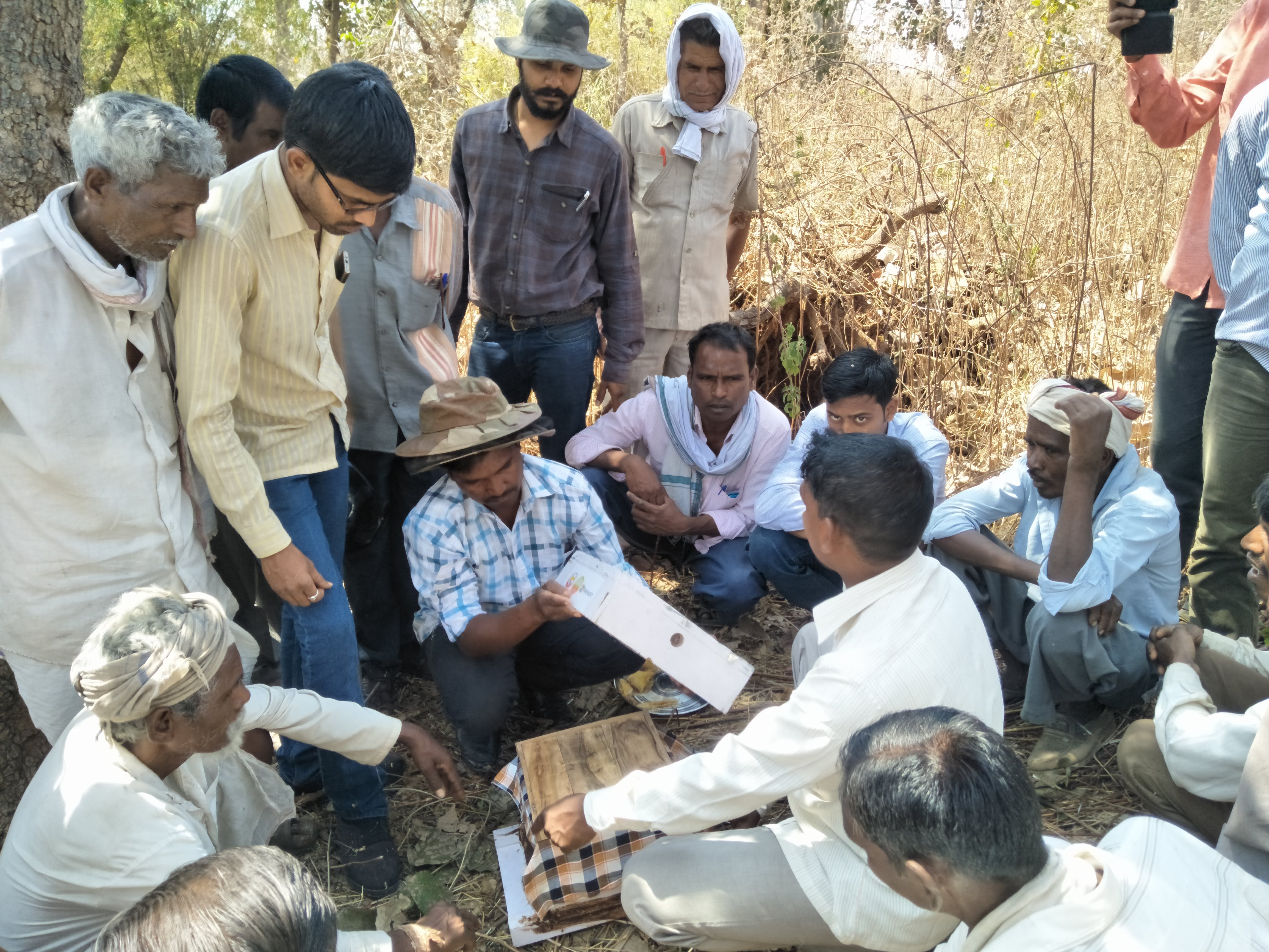
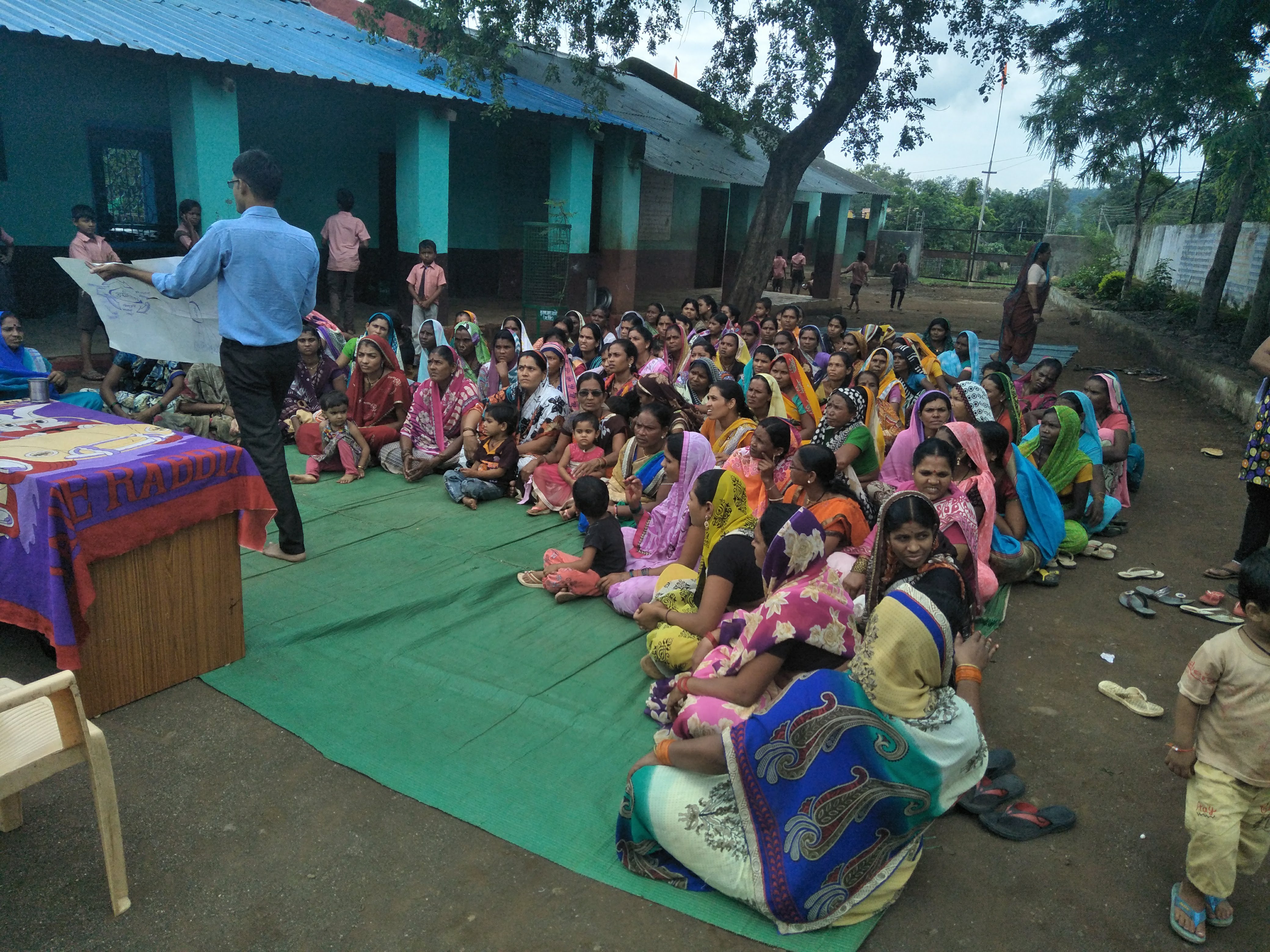
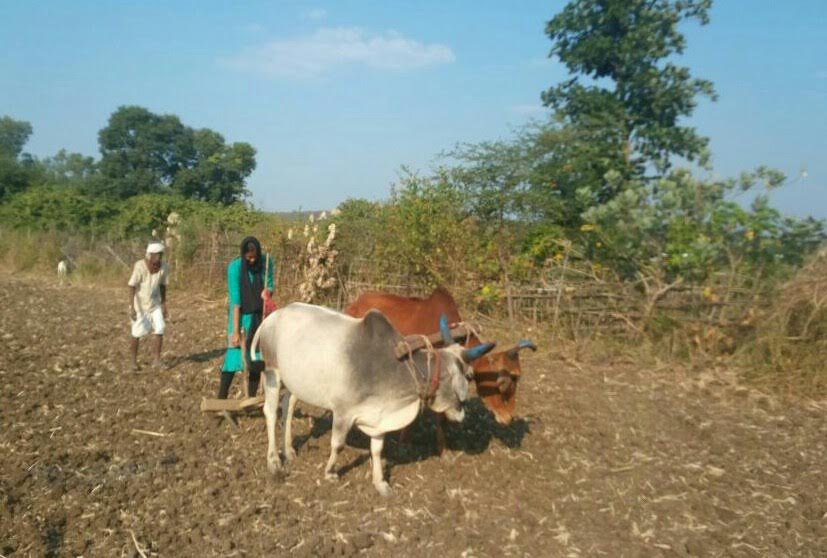
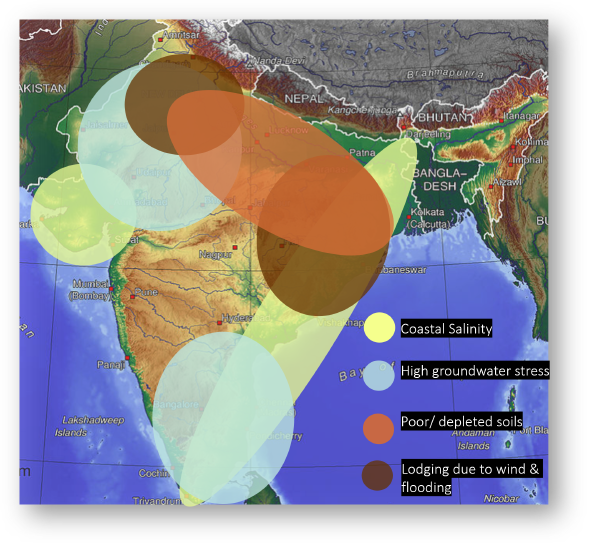
India’s smallholder farmers face compounding pressures from climate variability, input costs, and market uncertainty. This project, based at the Innovative Genomics Institute at UC Berkeley, examines the institutional and political economy conditions shaping the development and deployment of climate-resilient crops in Indian agriculture — with a particular focus on rice.
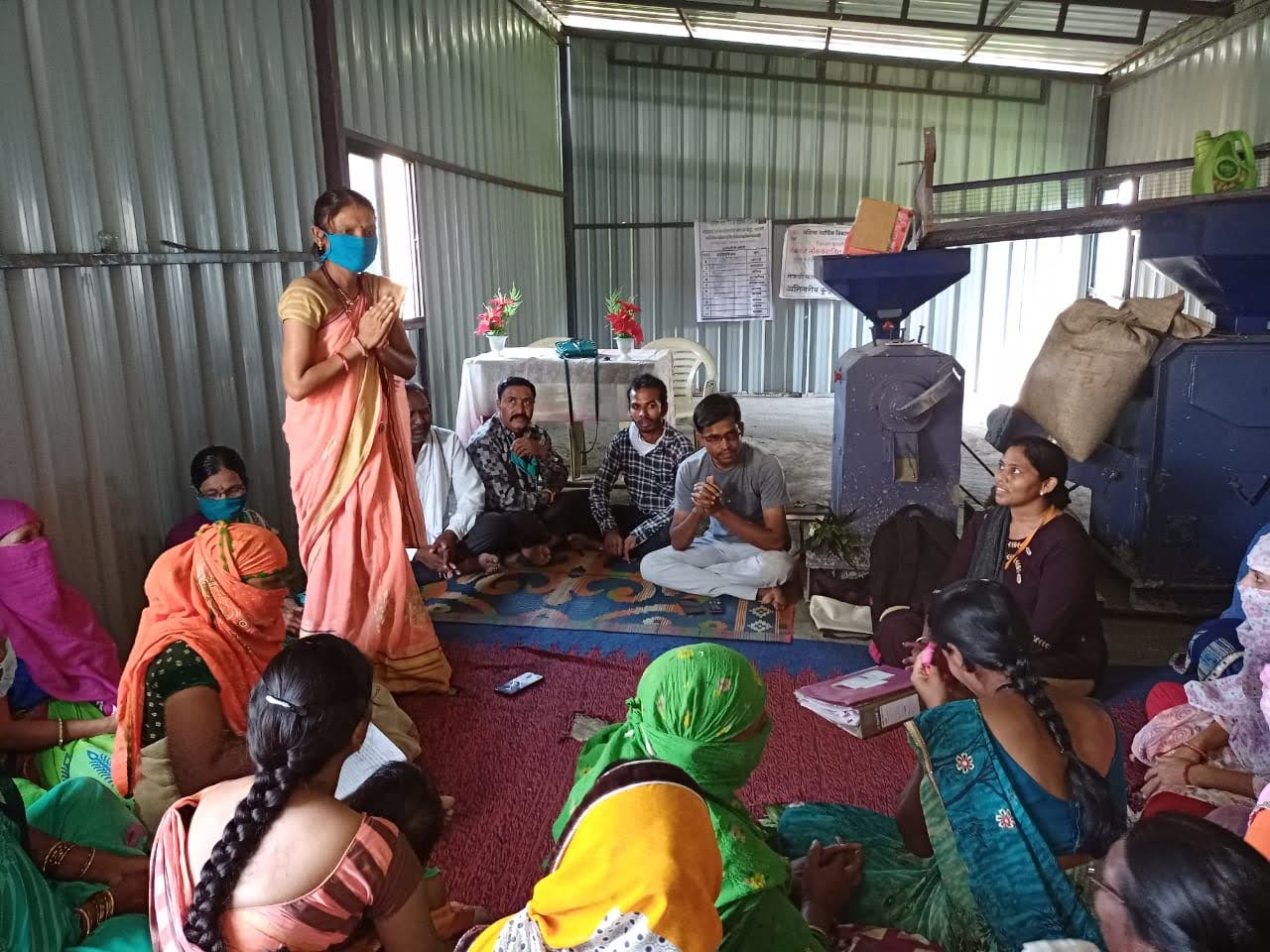
The work involves facilitating advisory panels that bring together farmers, scientists, policymakers, and practitioners to guide project priorities. Drawing on fieldwork with 40+ participants across the rice value chain, I translate ground-level insights into strategies for scientific development and dissemination.
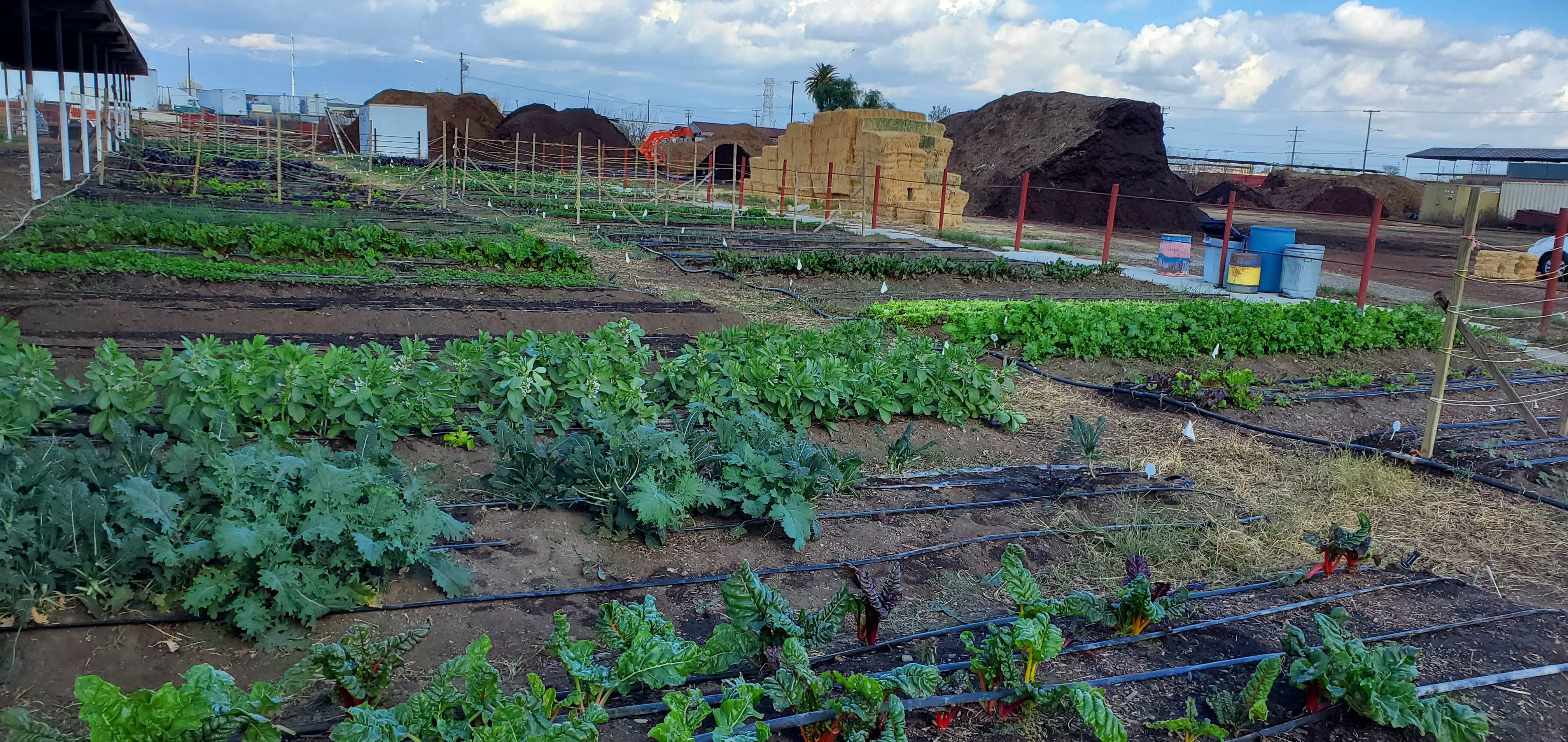
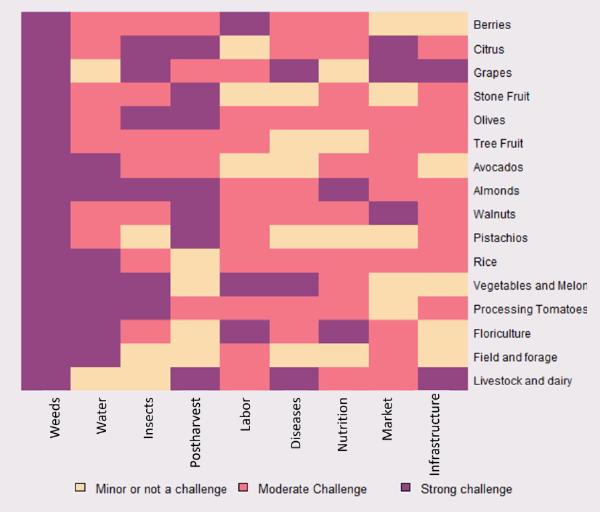
California’s organic sector is the largest in the United States, yet growers face persistent agronomic, economic, and regulatory challenges that limit the sector’s growth and resilience. This project conducted a statewide mixed-methods needs assessment on behalf of the UC Organic Agriculture Institute, drawing on 65+ in-depth interviews and surveys with 400+ organic farmers across the state.
Findings informed institutional research priorities and contributed to the development of a statewide organic agriculture knowledge network. The project also examined how challenges in organic agriculture exhibit asymmetric economies of scale — with smaller operations facing disproportionately greater burdens — and the structural contradictions embedded in California’s organic production system.
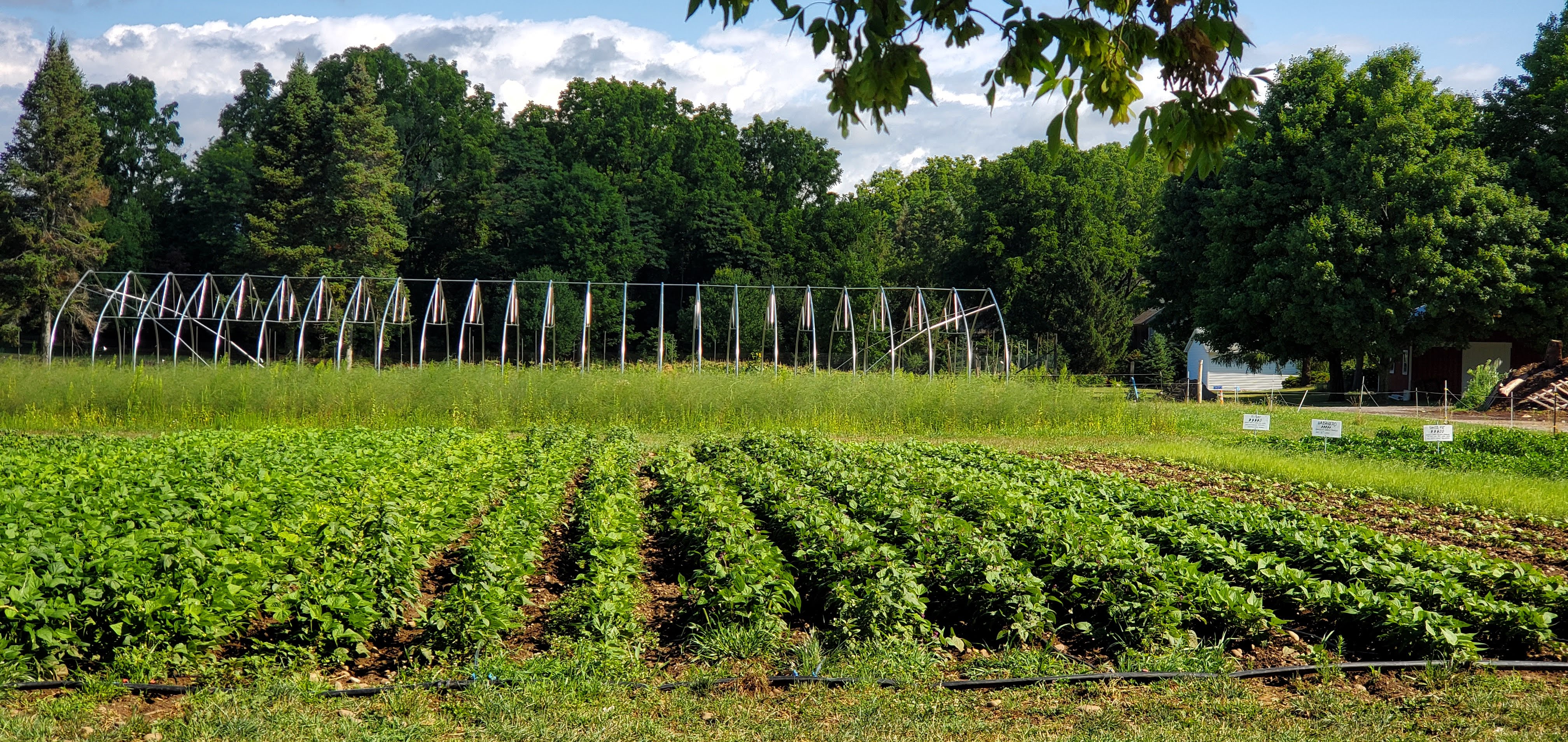
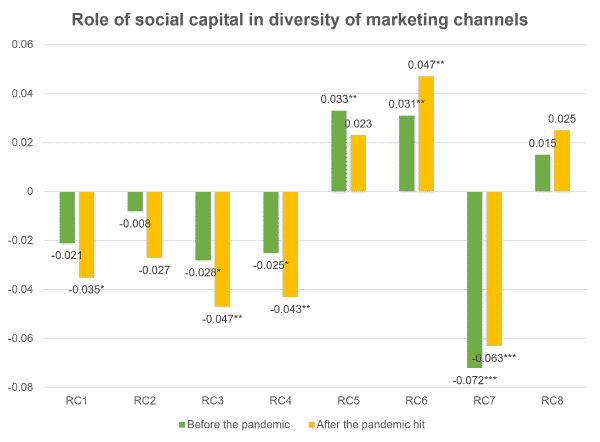
Economic shocks like the COVID-19 pandemic revealed the fragility of local food supply networks while simultaneously demonstrating the adaptive capacity of farmers embedded in strong social networks. This project examines how access to varied social capital influences farmer adaptations to economic shocks, and how individual choices transmit over wider networks to influence food supply chain resilience.
In partnership with Cornell Cooperative Extension, I conducted sequential surveys and interviews with vegetable growers in New York State. Preliminary findings highlight the role of product diversity and informal local partnerships in fostering farm resilience — recasting community solidarity as a determinant of resilience rather than a byproduct of it.
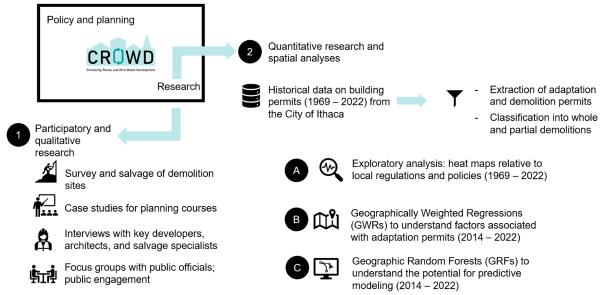
Cities accumulate material, regulatory, and spatial histories that shape how they can transition toward more circular economies. This project analyzes spatial patterns in building permits, land use designations, and heritage regulations to examine how incremental urbanism — the gradual, small-scale transformation of the built environment — contributes to circular city frameworks.
The work draws on spatial analysis across multiple urban contexts, interrogating how existing regulatory structures enable or constrain circular transitions at the neighborhood scale.
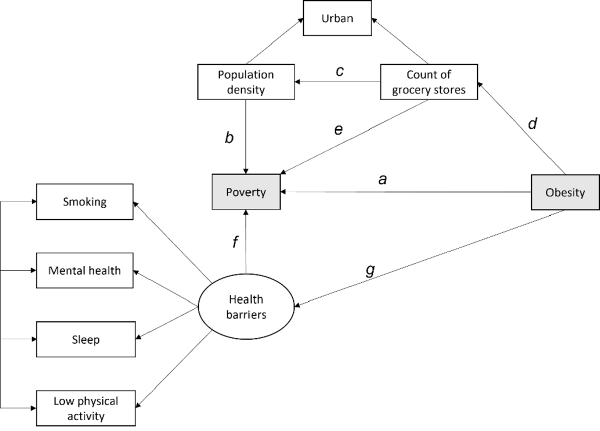
Existing tools for measuring food access — including the USDA’s Food Access Research Atlas — suffer from insufficient spatial granularity, binary classifications, and limited integration of health outcome data. This project proposes an alternative methodology using spatial analysis of Google Maps data combined with CDC health outcomes data from the PLACES dataset.
A geographically weighted regression model for New York State demonstrates the relationship between food access and obesity rates at the census tract level.